Imagine this: You have just finished moving to the countryside and spent an entire weekend prepping your new, larger garden. You lay the turf, expecting a lush green paradise. But within two weeks, it’s patchy, yellowing, and infested with weeds you didn’t plant.
Heartbreaking, right?
The reality is that not all grass is created equal. Many suppliers sell “meadow turf” disguised as premium lawn turf, and unless you know exactly what to look for, it is easy to get ripped off.
But here is the good news: spotting superior turf isn’t rocket science—if you have the right checklist. In this guide, I will show you exactly what is high quality turf, how to test it before you buy, and how to guarantee a lawn that lasts.
The Definition: What Actually Makes Turf “High Quality”?
High quality turf is defined by a dense, uniform sward free of broad-leaved weeds, grown on a loam topsoil base. It typically consists of a certified seed blend (usually Perennial Ryegrass and Red Fescue) ensuring drought resistance and durability. Crucially, premium turf has a strong, knit root system that holds the soil together when handled and is harvested less than 24 hours prior to delivery.
The TGA Standard: Industry Benchmarks
When you are shopping around, you might hear terms like “luxury” or “gold standard.” These are marketing buzzwords. Instead, you need to look for TGA Standards.
The Turfgrass Growers Association (TGA) sets the bar for what counts as cultivated turf. High-quality turf isn’t just ‘cut grass’; it is a manufactured crop that has been cared for intensely for at least 12 to 18 months before harvesting. This is why reputable growers, such as A View Turf, strictly adhere to these maturity protocols to ensure a stable product.
Key Metrics for Quality:
- Maturity: The turf must be old enough for the roots to knit together tightly.
- Seed Certification: The seeds used must be certified weed-free.
- Soil Base: It should be grown on stone-free, sandy loam soil, which encourages fast rooting when you lay it.
The “Eye Test”: Visual Indicators of Health
You don’t need a lab coat to judge quality. You just need your eyes. When the pallet arrives (or when you visit the supplier), look for these three things:
1. Uniformity and Colour
The grass should be a consistent, vibrant green. If you see yellowing edges, the turf may be drying out (it has been out of the ground too long).
- Warning Sign: Patches of different coloured grasses suggest “meadow turf” (grass cut from a wild field) rather than purpose-grown turf.
2. Weed Contamination
High quality turf is treated to be weed-free.
- The Check: Unroll a sample. If you spot dandelions, clover, or coarse agricultural grasses, reject them. You are paying for a lawn, not a weeding project.
3. Soil Thickness
Look at the underside of the roll. The soil layer should be consistent, usually between 15mm and 20mm.
- Why it matters: Too thin, and the roots dry out instantly. Too thick, and the roll is incredibly heavy and hard to level.
The Physical Check: How to Test Strength
This is my favorite test, and it never fails. I call it the “Shake Test.”
How to do it:
- Pick up a roll of turf.
- Hold it by one end (short edge).
- Give it a gentle shake.
The Result:
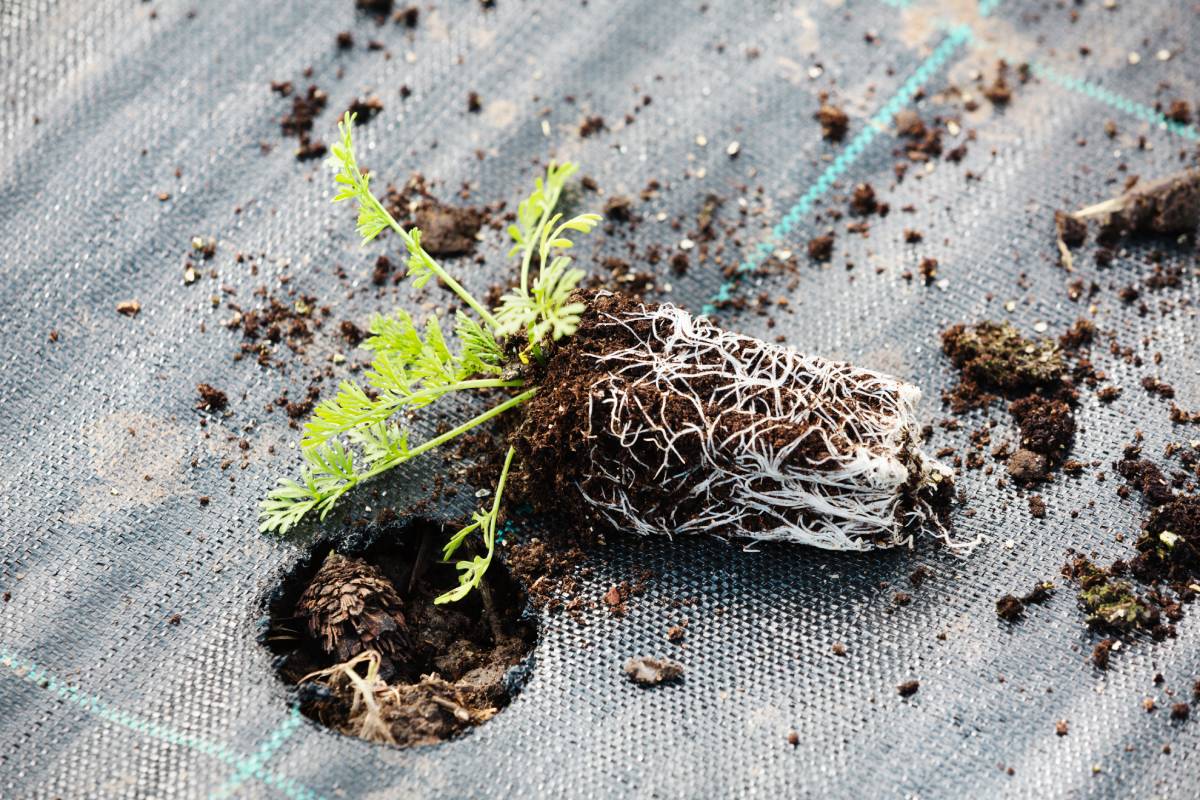
- High Quality: The roll holds its weight. It remains in one piece. This proves the root system is dense and mature.
- Low Quality: The soil crumbles away, or the roll tears in half. This indicates a weak root structure or “young” grass.
Seed Mix Matters: Ryegrass vs. Fescue
You aren’t just buying green stuff; you are buying a specific plant species. The composition of the seed dictates the quality of the lawn.
For the vast majority of homeowners, “High Quality” means a blend of Dwarf Perennial Ryegrass and Red Fescue.
| Seed Type | Function |
| Dwarf Perennial Ryegrass | Provides the “muscle.” It is hard-wearing, recovers quickly from footprints/pets, and gives that deep green color. |
| Creeping Red Fescue | Provides the “velvet.” It is fine-bladed, shade-tolerant, and knits the turf together to prevent weeds. |
Avoid: Turf that is 100% Ryegrass (often looks agricultural) or 100% Fescue (too delicate for kids/pets), unless you have very specific needs.
Premium vs. Economy: A Quick Comparison
Still wondering if you should save a few bucks on the cheaper option? Here is the breakdown:
| Feature | High Quality (Cultivated) | Economy (Meadow/Pasture) |
| Source | Grown from certified seed | Cut from existing pasture |
| Weeds | Treated & Guaranteed Weed-Free | Likely contains agricultural weeds |
| Soil | Stone-free Sandy Loam | Cut from the existing pasture |
| Maintenance | High (Fast-growing agricultural grass) | Often Clay or Heavy Soil |
| Price | $$$ | $ |
Expert Insight:
The “24-Hour Rule” is Non-Negotiable.
Turf is a living, breathing product with a shelf life shorter than fresh seafood. In the summer, turf begins to compost (heat up and rot) within 24 hours of being harvested. High quality refers to the logistics as much as the grass. If a supplier cannot guarantee the turf was cut the day before delivery, do not buy it. No amount of watering will fix “cooked” turf.
Conclusion
So, what is high quality turf? It is an investment.
It is the difference between a lawn that demands constant weeding and reseeding, and a lawn that becomes the envy of your neighbors. By looking for TGA standards, performing the “Shake Test,” and ensuring you are buying a fresh Ryegrass/Fescue blend, you protect your investment.
Ready to transform your garden? Don’t settle for “green.” Demand “quality.” Your future weekends (relaxing, not weeding) will thank you.